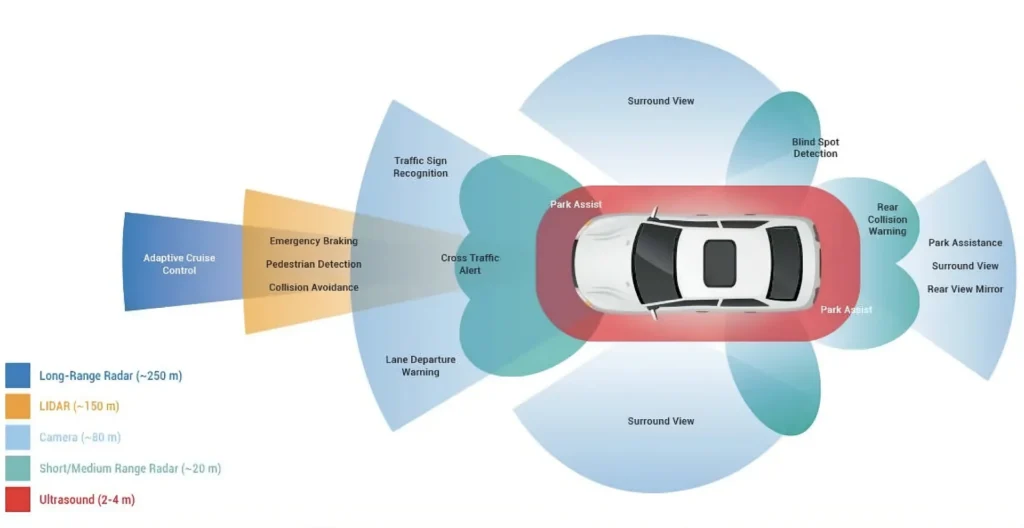
ADAS calibration is the process of resetting a car’s cameras, radar, and sensors so they line up correctly after a collision repair. Nearly every new car on the road today has some form of ADAS, or Advanced Driver Assistance Systems, built in. These systems only work correctly when every part points exactly where the automaker designed it to point. Any repair that touches the bumper, windshield, mirrors, or frame can throw calibration off, which is why every modern repair needs this step before the car goes back to its owner.
What Is ADAS Calibration?
ADAS stands for Advanced Driver Assistance Systems, the technology behind features like automatic emergency braking, lane keep assist, and adaptive cruise control. These features rely on cameras and radar sensors mounted around the vehicle. When a car gets into an accident, these parts can shift out of place even if they look fine on the outside. ADAS calibration puts each camera and sensor back into its exact factory position so the safety systems can see the road correctly again.
Why Modern Vehicles Need Calibration After a Repair
Most vehicles built in the last several years use some level of ADAS technology. These systems only work when every sensor points at the exact angle the manufacturer built it for. Even a small bump from a fender bender can move a sensor just enough to cause a real problem on the road. Common features that need calibration after a repair include:
- Automatic emergency braking
- Lane departure warning and lane keep assist
- Adaptive cruise control
- Blind spot monitoring
- Parking sensors and backup cameras
What Happens During ADAS Calibration
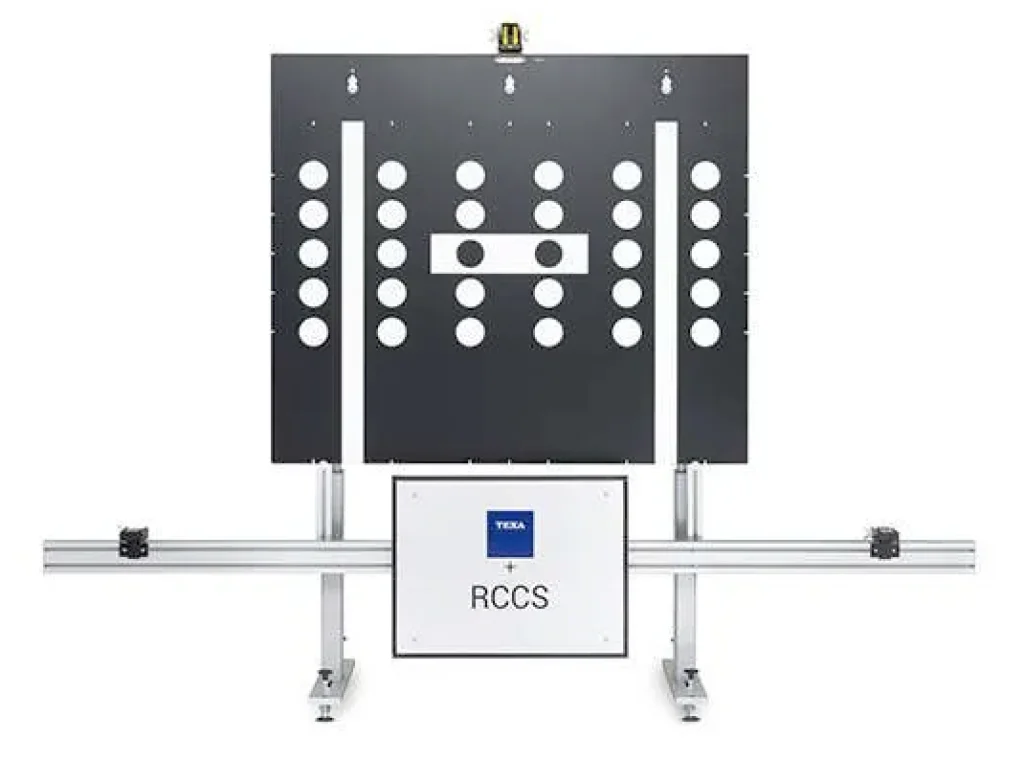
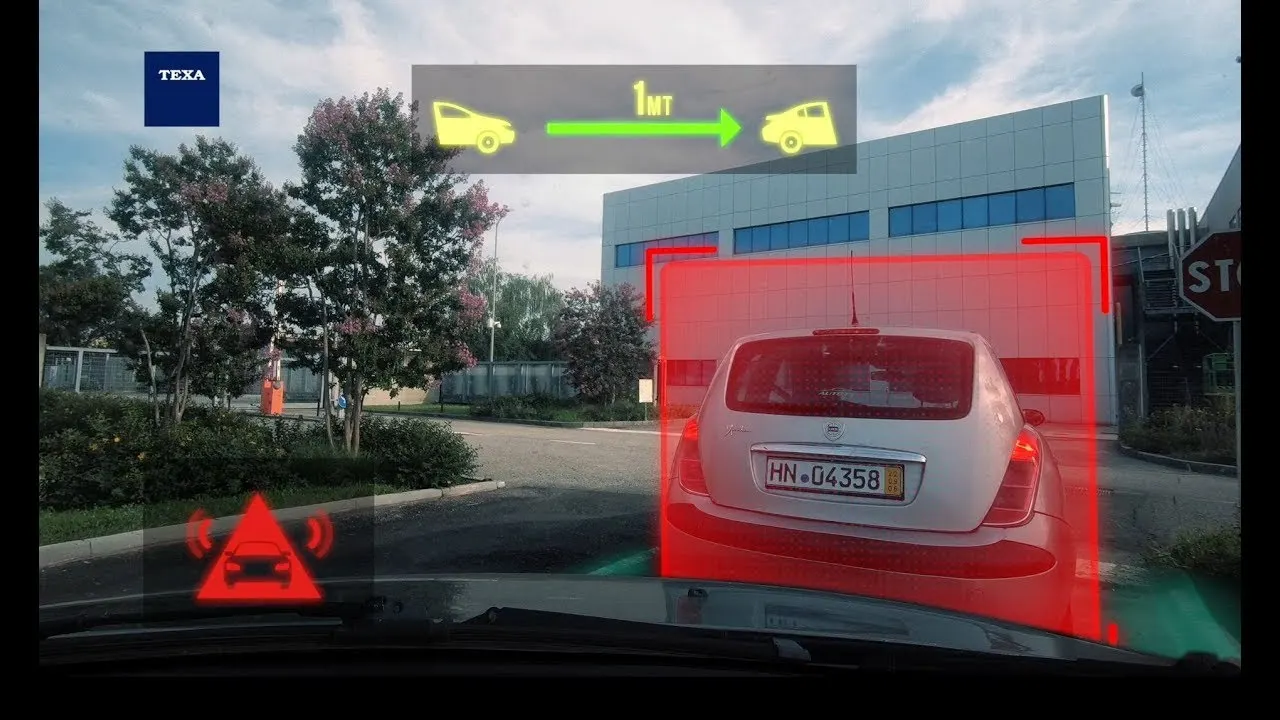
A technician starts by making sure the car’s frame is straightened and measured correctly with precision frame machines, since a bent frame will throw off calibration no matter what. Next, they set up calibration targets and tools at exact distances and angles from the vehicle. Then they use ADAS calibration systems, like the TEXA RCCS 2, to align each camera and radar sensor to those targets. The whole process must follow the exact specs the automaker sets for that make and model, and it has to be documented for insurance and OEM records.
Why Every Modern Repair Needs This Step
Skipping calibration is not a shortcut a shop can safely take. Most automakers require it as part of their official repair procedures, and insurance companies often ask for proof it was done. If a safety system does not work correctly after a repair, it could fail exactly when a driver needs it most. Getting calibration right protects the driver, protects the shop, and keeps the whole repair in line with OEM standards. Here is why it matters so much:
- Keeps safety systems working the way the automaker designed them
- Meets OEM repair procedures and insurance documentation requirements
- Protects your shop from comebacks and liability
- Builds trust with customers who expect a safe, complete repair
How Lombard Equipment Helps Your Shop Get It Right
Lombard Equipment has supplied collision repair equipment for more than 30 years and served over 1,000 customers across Massachusetts, Virginia, and Florida. We carry TEXA ADAS calibration systems built for accurate, repeatable results on today’s most advanced vehicles. Our certified technicians provide hands-on training and ongoing service, so your team feels confident running every calibration correctly. We also offer financing options to help your shop add this equipment without a big upfront cost.
The Bottom Line
ADAS calibration is no longer optional for modern collision repair. Every vehicle with driver assistance features needs its sensors calibrated correctly after any repair that could affect them. Doing the job right keeps drivers safe, keeps your shop compliant with OEM standards, and keeps customers coming back. Ready to add ADAS calibration equipment to your shop? Contact our sales team at Lombard Equipment today, and let our 30+ years of experience help you get it right.